
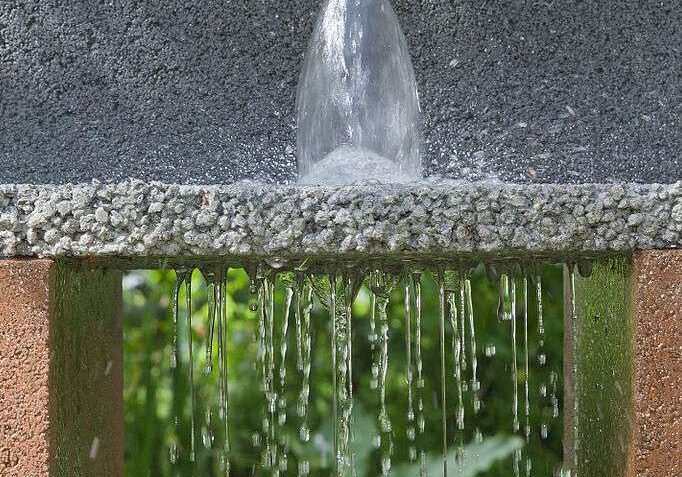
AquaPave® permeable concrete is a durable pavement with a large volume (approximately 20%) of interconnected voids, which allows water to pass through it while retaining the strength to withstand vehicular traffic. Like conventional concrete, it’s made from a mixture of cement, coarse aggregates, and water. However, it contains no sand, which results in an open-cell structure.
AquaPave® slabs provide drainage through the surface at approximately 22,000 millimetres per hour. As rain water filters through the system, contaminants on the surface such as motor oil and heavy metals are neutralised before soaking into the groundwater table. When placed over slow-draining soils, rainwater is temporarily stored in a coarse gravel layer underneath the pavement, so that it can naturally percolate slowly into the underlying soil.
Get a Free Estimate
leave a message using the form below